In January 2026, I traveled to northeastern Oklahoma while assisting photographer Jennifer Little, who was documenting the Tar Creek Superfund site. During this time, I created this parallel body of work, focusing on the landscape and residents living with the enduring effects of lead and zinc mining.
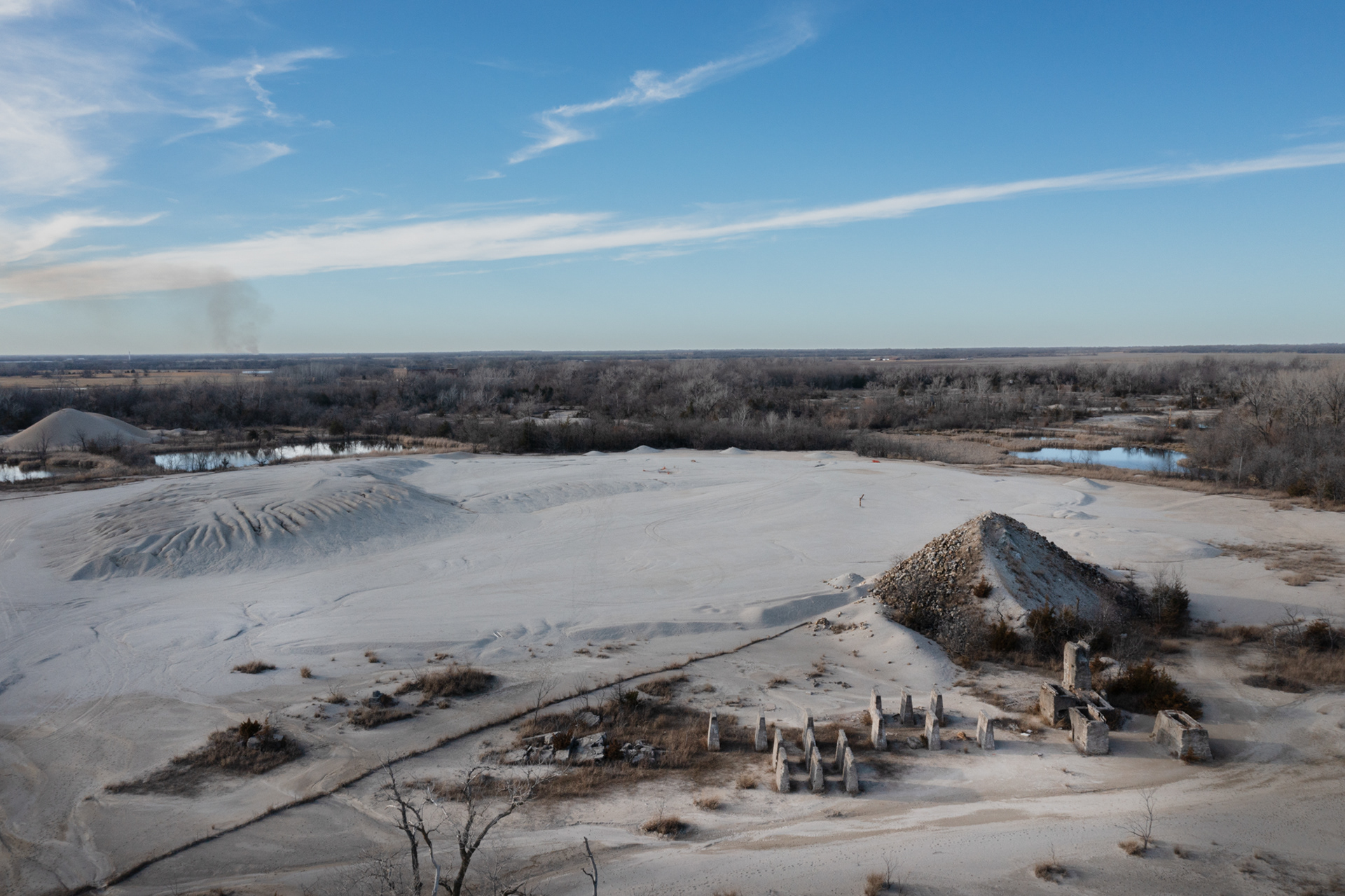
The legacy of lead and zinc mining continues to shape both land and lives. Across the Tar Creek Superfund site spanning Picher, Cardin, and neighboring communities towering piles of toxic mine tailings known as “chat,” flooded shafts, collapsing ground, and abandoned homes mark the environmental cost of decades of extraction. Entire towns were decommissioned as contamination rendered them uninhabitable. Yet amid the ruins, residents and former residents remain connected to the landscape: some work to remediate or repurpose the waste, others maintain homes, and many carry memories of places now largely erased.

Captions:
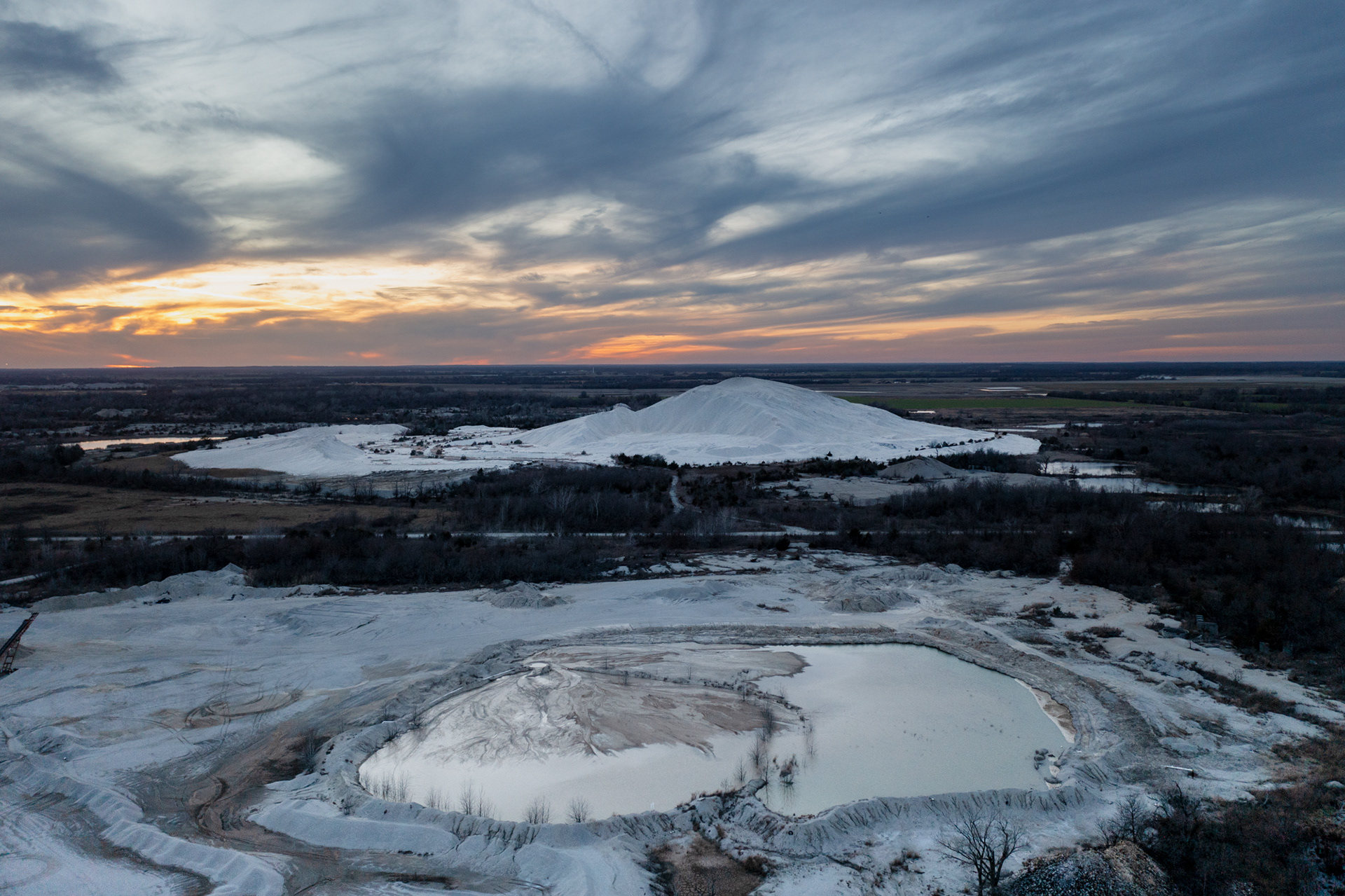
1.The Flintrock Company processes chat piles, washing out fine particulates to be sold as paving aggregate at the Tar Creek Superfund Site between Picher and Cardin, two towns decommissioned due to mining-related contamination.
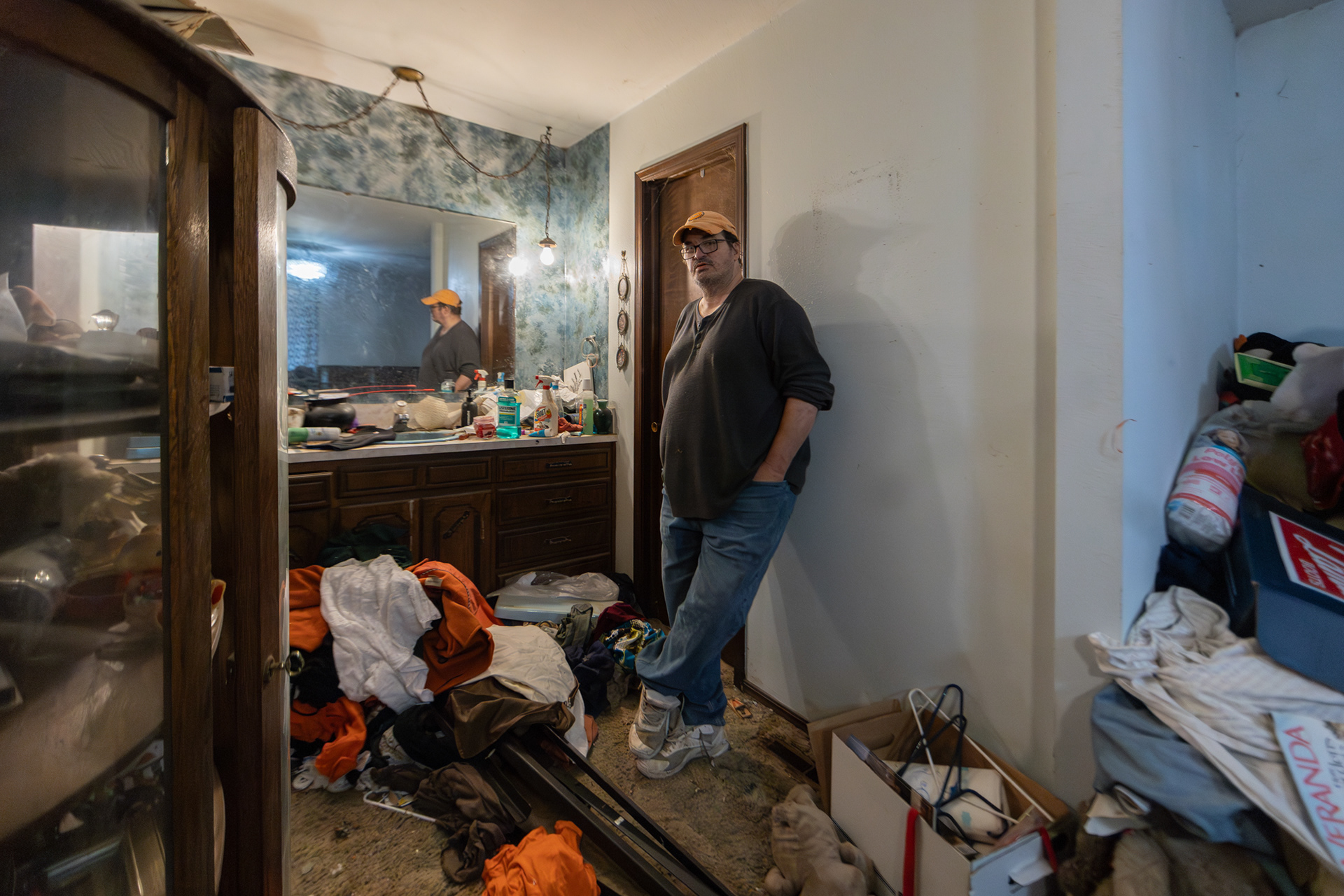
2.Rebeca Jim, co-founder of the LEAD Agency, stands over exposed toxic mine tailings known as “chat,” revealed beneath a cracked concrete platform on Main Street (U.S. Route 66) in downtown Miami, Oklahoma. The material, a byproduct of historic lead and zinc mining, remains widespread throughout the Tar Creek Superfund site.
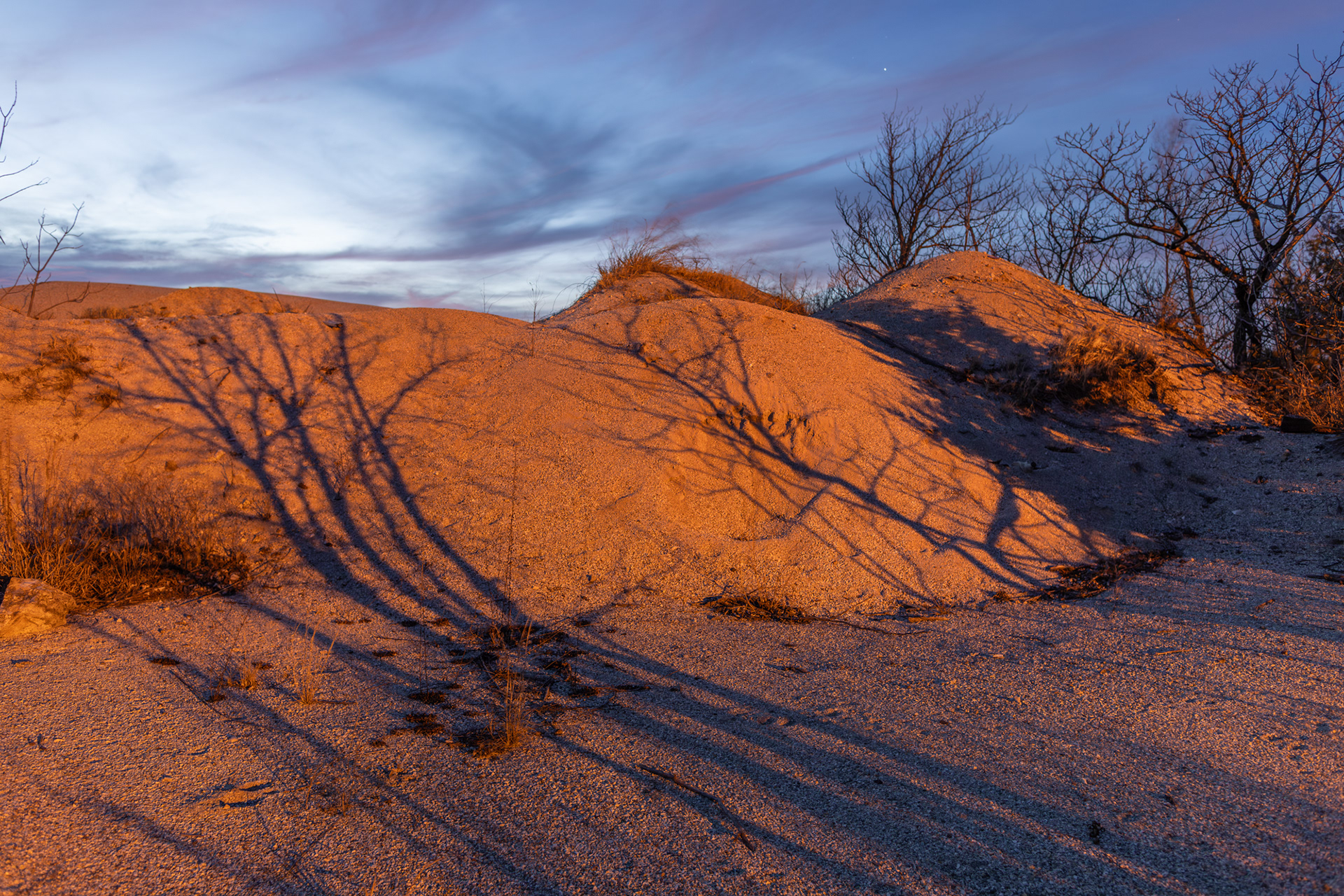
3.Pile of toxic lead mine tailings known as chat. Decades of extraction left widespread contamination and environmental damage across northeastern Oklahoma and neighboring Kansas and Missouri.
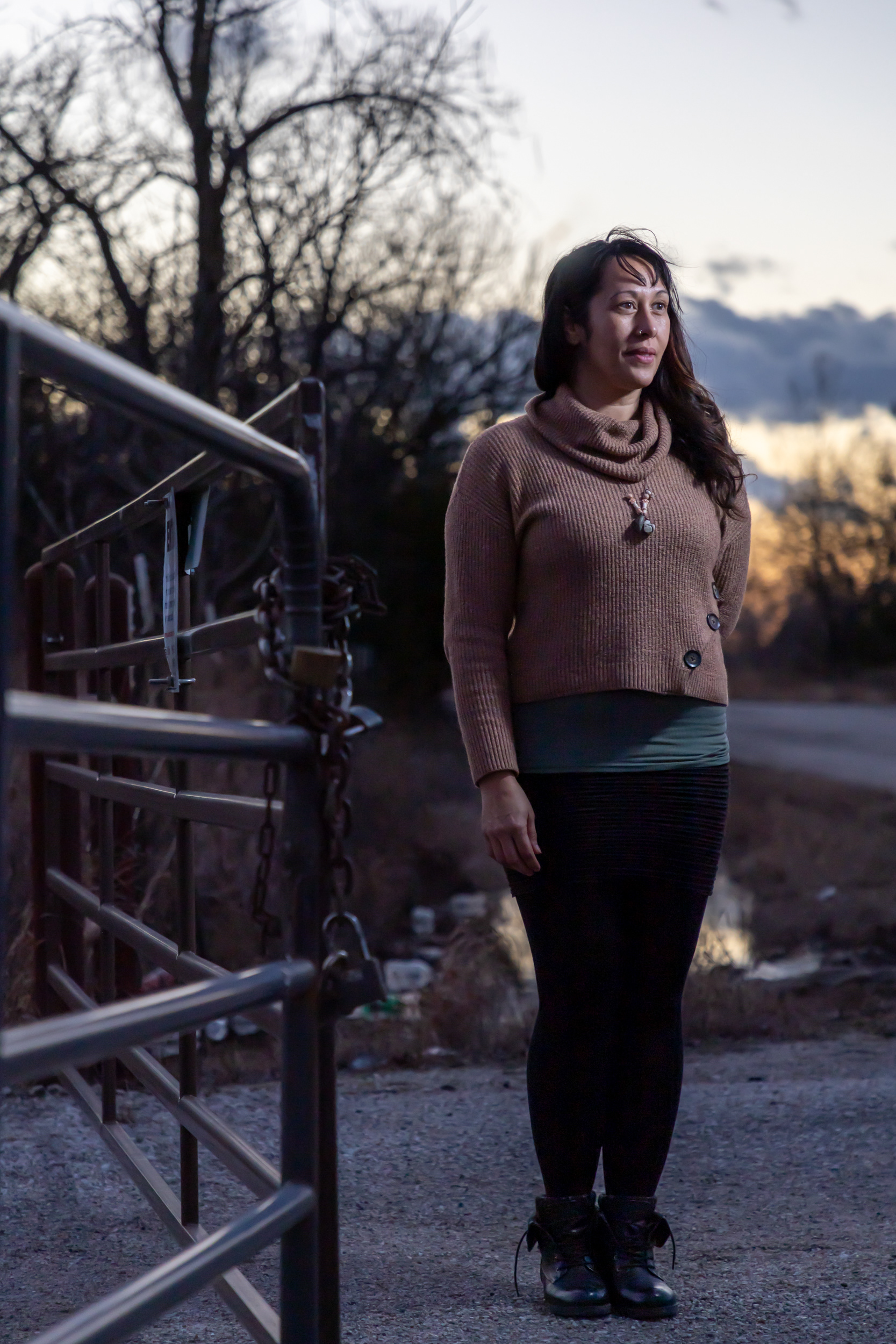
4.Stephanie Addis standing in front of the house where she grew up with her grandmother. Picher was decommissioned and abandoned because of the toxicity of the lead mining.
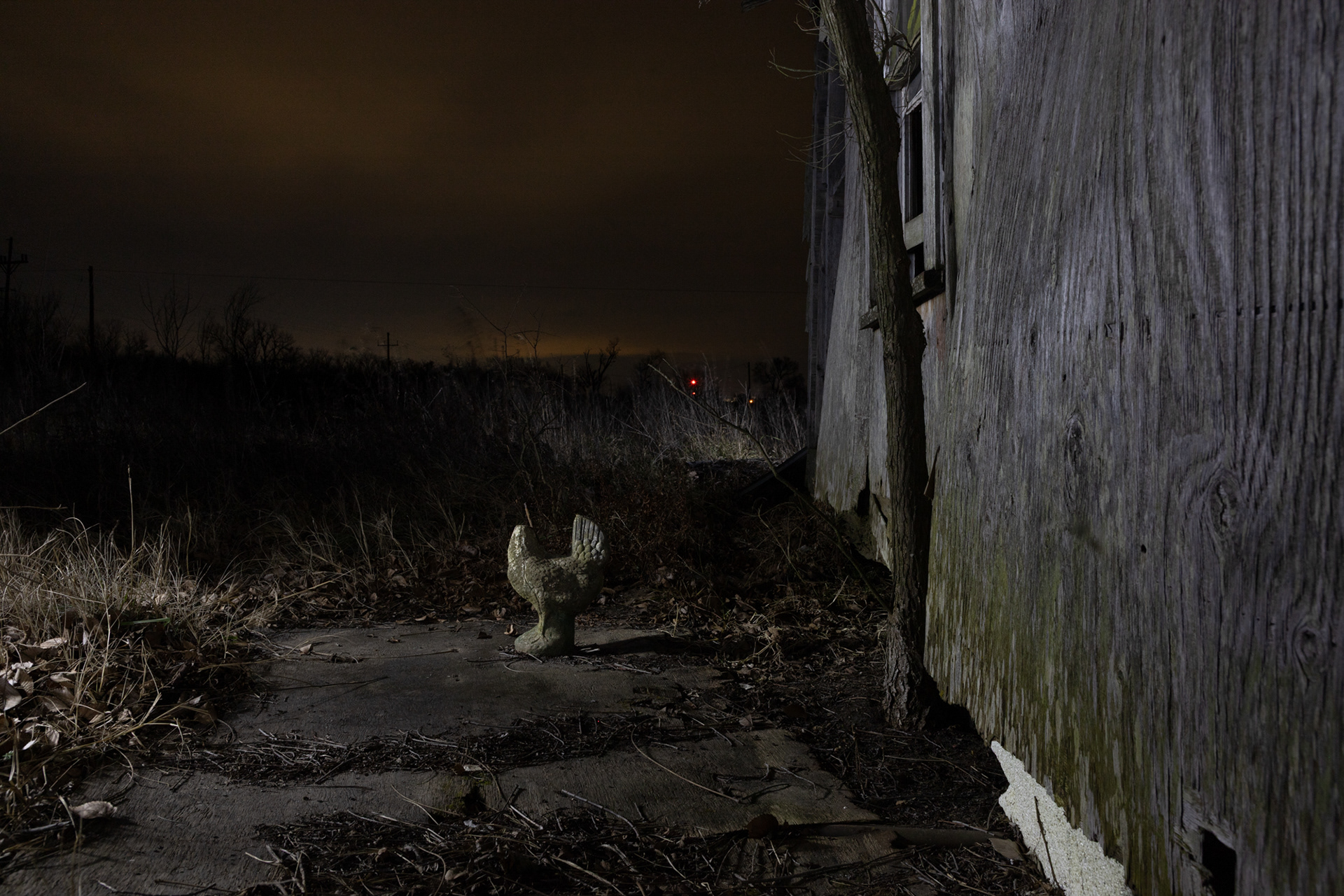
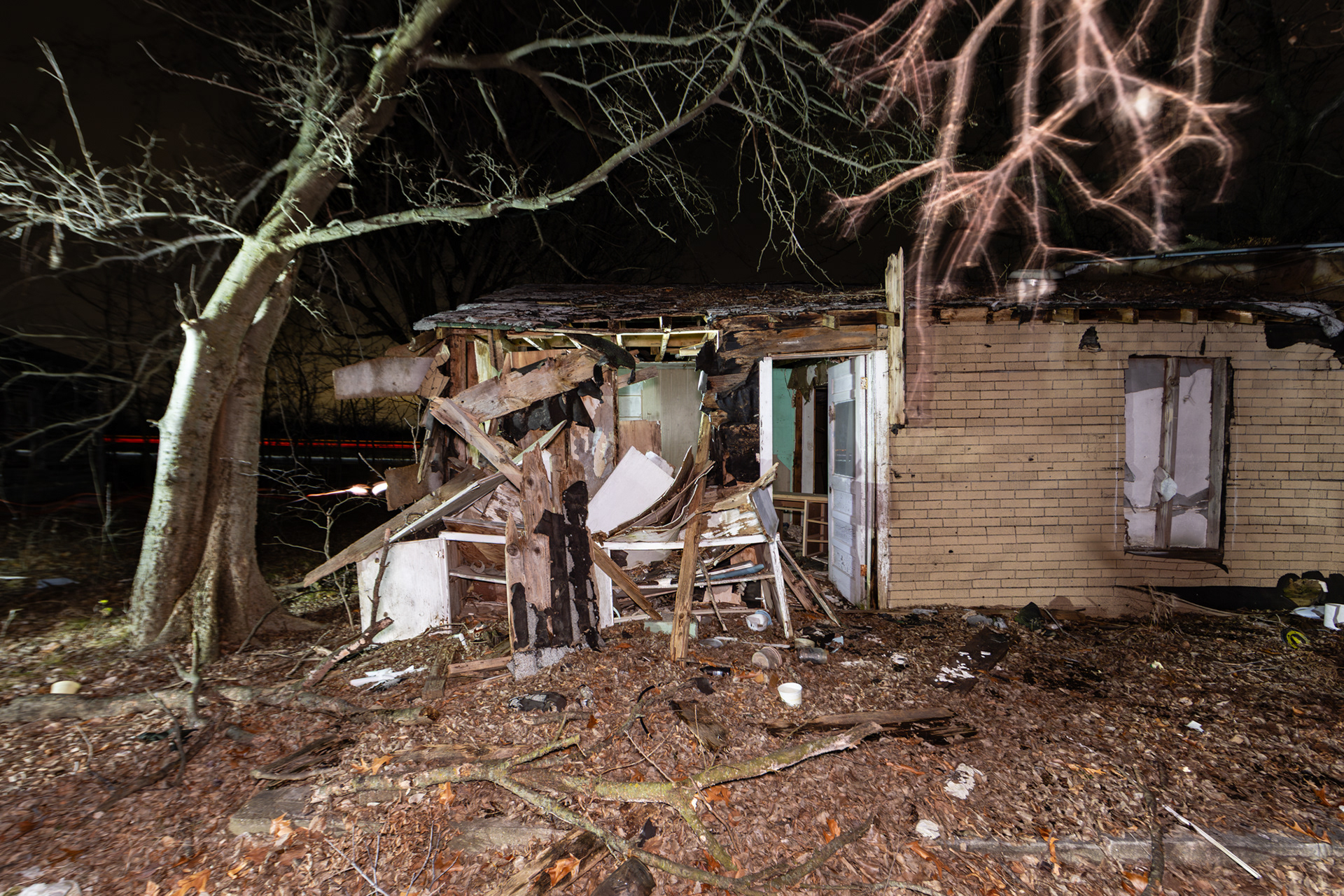
5.A headless bird statue stands outside a decaying farmhouse at night near Picher, Oklahoma in the Tar Creek Superfund area, where widespread lead and zinc contamination forced residents to abandon their homes.
6.Mike Scruggs, an acute myeloid leukemia (AML) survivor from Miami, Oklahoma, grew up near the former BF Goodrich facility and played on nearby chat piles as a child. “We used to play on the chat piles and never thought that so much lead would affect us,” he said. The BF Goodrich industrial site, vacant for decades, remains contaminated with hazardous chemicals including benzene.
7.A decayed house near Picher, Oklahoma in the Tar Creek Superfund area, where widespread lead and zinc contamination forced residents to abandon their homes.
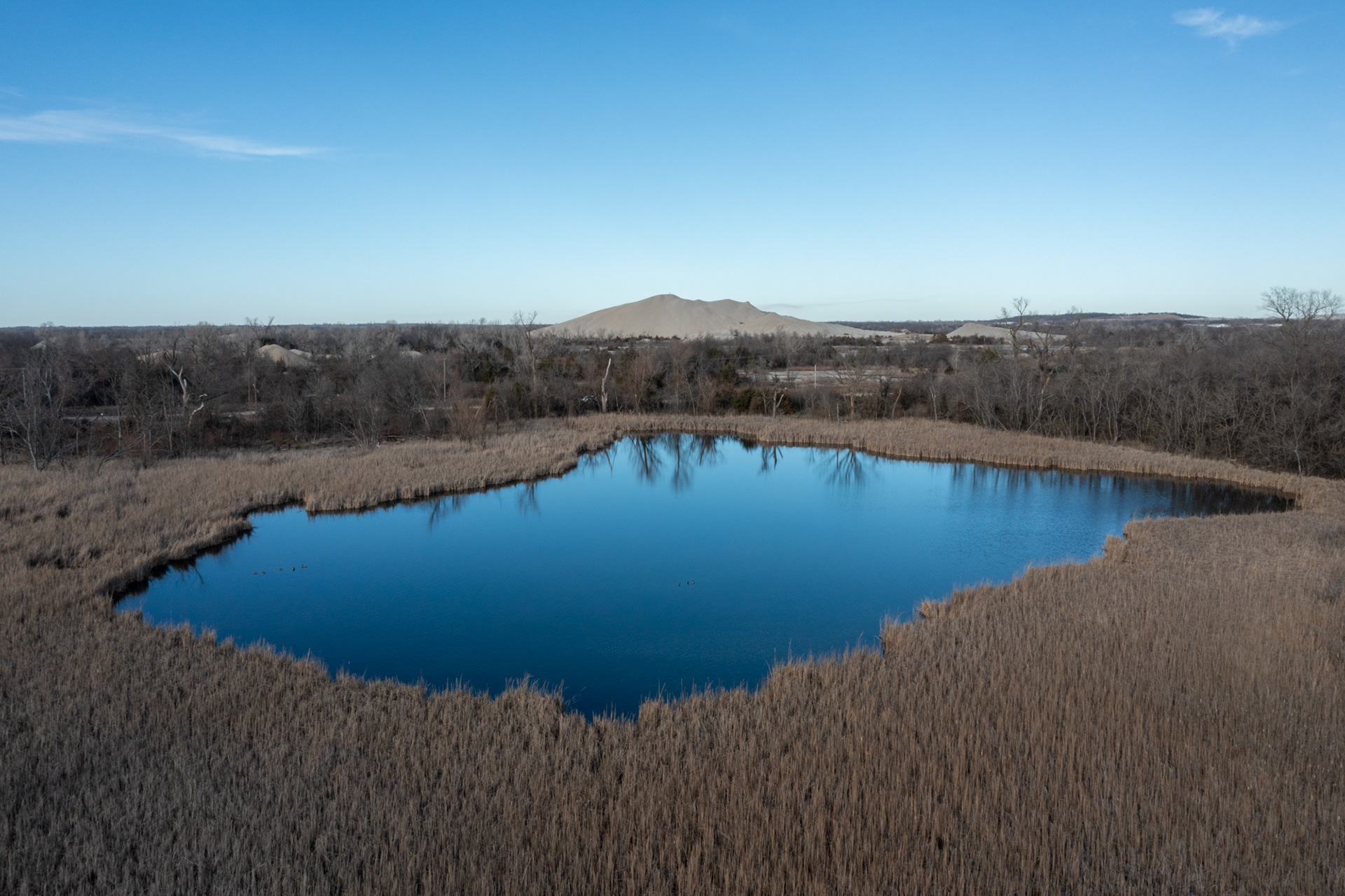
8.A sinkhole formed by flooded mines in the Tar Creek Superfund area near Cardin, Oklahoma. Decades of underground lead and zinc mining left unstable ground and rising water levels that continue to reshape the landscape.
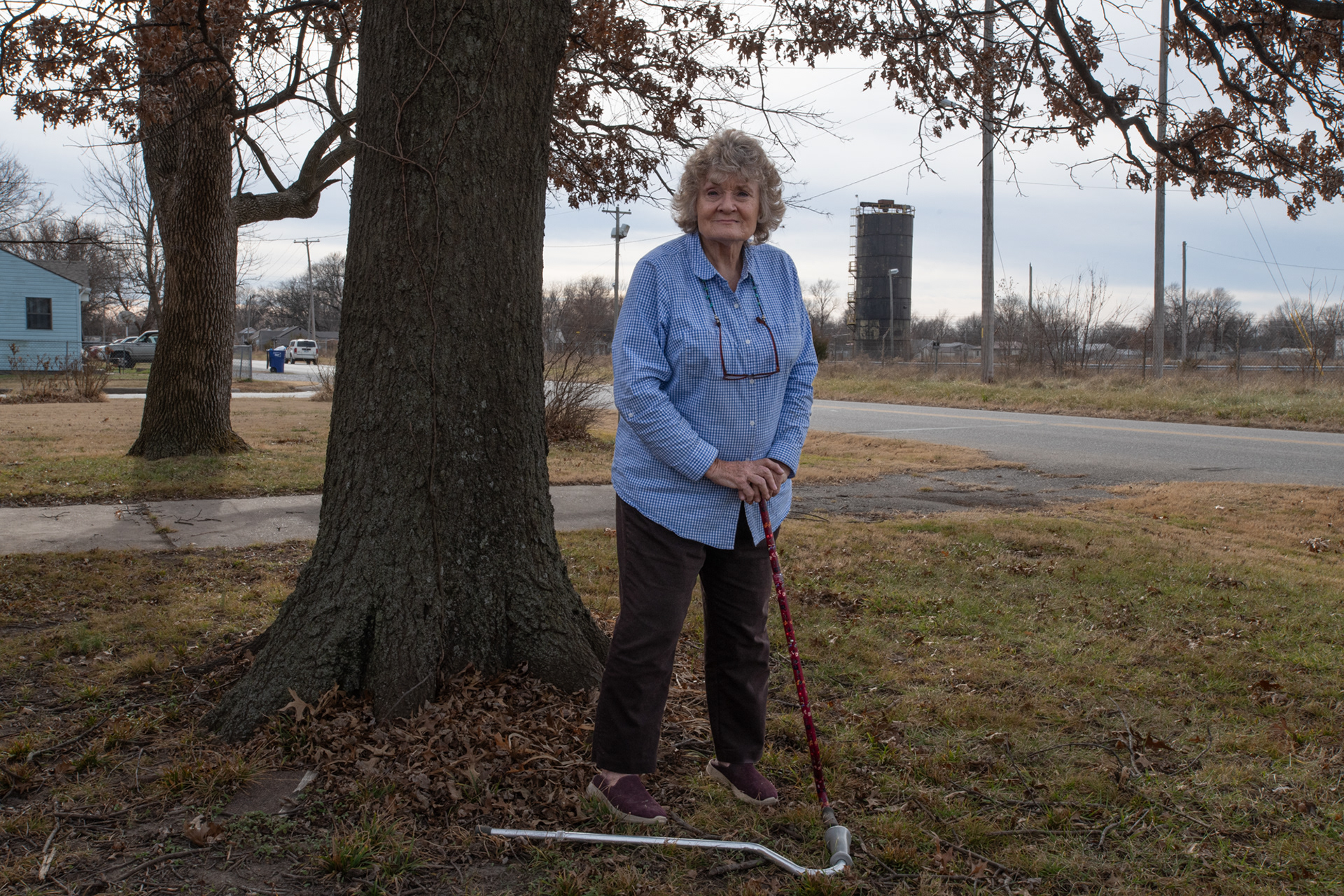
9.Elaine, a retired school teacher, lives across the street from the BF Goodrich facility. The site, vacant for decades, remains contaminated with hazardous chemicals including benzene.
10.Abandoned mining structures and chat in Cardin, Oklahoma. Decades of extraction left widespread contamination and environmental damage across northeastern Oklahoma and neighboring Kansas and Missouri.